I drove through the Black Hills of South Dakota ready to soak up a beautiful day in a part of the country that was completely new to me. I knew one day wasn’t nearly enough time to truly experience everything this region had to offer, but one day was all I had, and I was determined to make the most of every minute.
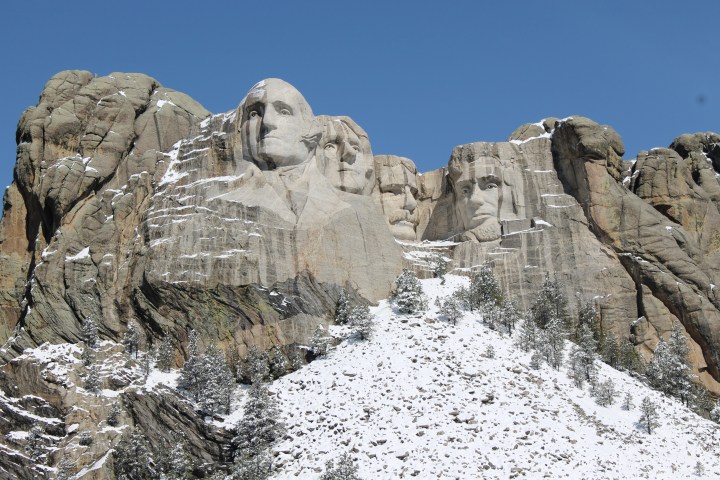
Even though it was the middle of May, winter was not quite ready to let go. Snow from the night before still covered parts of the landscape, creating a beautiful contrast against the dark granite rocks that give the Black Hills their name. It was not the spring day I had expected, but it was somehow even more beautiful because of it.
Like many visitors, I came to the Black Hills because of one famous landmark: Mount Rushmore. I imagined spending the day walking beneath the carved faces of four American presidents before continuing on my way.
But the Black Hills had so much more waiting for me. By the time the sun began to set, I had explored presidential history, learned about Native American culture, wandered through one of America’s most famous roadside attractions, experienced the otherworldly landscape of Badlands National Park, and visited a town known around the world for motorcycles.
I arrived expecting one monument and I left discovering an entire region.
One Day in the Black Hills
- Why Visit the Black Hills?
- Mount Rushmore: The Landmark That Started It All
- Crazy Horse Memorial: Honoring a Native American Legend
- Wall Drug: Following the Signs to a Roadside Favorite
- Badlands National Park: A Landscape Unlike Anywhere Else
- Sturgis: Experiencing Motorcycle History
- Planning Your Visit to the Black Hills
- FAQ: Black Hills
At A Glance: Black Hills
- Location: western South Dakota
- Best For: road trips, history, national parks, scenic drives
- Time Needed: 3-5 days recommended, although major highlights can be seen in one very full day
- Best Time To Visit: late spring through fall
- Highlights: Mount Rushmore, Crazy Horse Memorial, Badlands National Park, Wall Drug, and Sturgis

Why Visit the Black Hills?
The Black Hills are one of those places where every turn in the road reveals something completely different.
This region is home to some of America’s most recognizable landmarks, but it is also a place filled with stories. The landscape has been shaped by Native American history, westward expansion, conservation efforts, and generations of people who have called this area home.
Within just a short drive, you can stand beneath massive granite carvings, walk through a museum celebrating Native cultures, explore dramatic rock formations, stop at a quirky roadside attraction, and experience the motorcycle culture that has made Sturgis famous around the world.
The Black Hills are not just about one attraction. They are about the unexpected discoveries along the way.
Mount Rushmore: The Landmark That Started It All
My first stop of the day was the place that originally brought me to South Dakota: Mount Rushmore National Memorial.
Walking down the Avenue of Flags was the perfect introduction to the monument. Each pillar represents a state and includes information about that state’s history. I stopped several times to read about different places, but my attention kept being pulled toward what stood above me.
Carved into the granite mountainside were the faces of four presidents who helped shape the history of the United States: George Washington, Thomas Jefferson, Theodore Roosevelt, and Abraham Lincoln.
Completed in 1941 under the direction of sculptor Gutzon Borglum, Mount Rushmore remains one of America’s most recognizable landmarks.
I wandered through the visitor center learning more about the creation of the monument, the incredible engineering behind the carving, and the lives of the men whose faces now overlook the Black Hills.
Standing beneath Mount Rushmore, I understood why millions of people make the journey here every year. There is something powerful about seeing these enormous faces carved into the mountainside. But what surprised me was that this moment—the one I had built my entire day around—ended up being only one piece of a much bigger story.

Crazy Horse Memorial: Honoring a Native American Legend
Just a short drive from Mount Rushmore sits another massive mountain carving, although this one is still being created.
The Crazy Horse Memorial is being carved into Thunderhead Mountain to honor Crazy Horse, the legendary Oglala Lakota warrior. When completed, the monument will depict Crazy Horse riding a horse and pointing toward the lands of his people.
Construction began in 1948 under the direction of sculptor Korczak Ziolkowski, and because the project is privately funded, there is currently no completion date.
The scale of the project is almost impossible to comprehend. Standing in front of the mountain and looking at the carved face already emerging from the rock gives a sense of just how enormous this undertaking is.

The memorial is also home to the Indian Museum of North America, which was one of the unexpected highlights of my visit. The museum showcases artwork, artifacts, and stories representing hundreds of Native Nations.
Walking through the exhibits provided a fascinating look at the diversity of Native cultures and histories. It was a reminder that the story of this land stretches back far before the monuments that now draw millions of visitors each year.

Wall Drug: Following the Signs to a Roadside Favorite
After leaving the monuments, I headed south toward Badlands National Park and the drive itself became part of the adventure.
Along the highway, I began noticing signs for something called Wall Drug. Then another sign appeared. Then another. Each one had a different message, and before long, curiosity completely took over. After seeing what felt like hundreds of signs, I knew I had to stop.
Wall Drug is exactly the kind of roadside attraction that makes a road trip memorable. This enormous building contains restaurants, shops, food stands, a chapel, photo opportunities, and enough rooms to require a map to find your way around.
Is it a little kitschy? Absolutely. But that is exactly what makes it fun.
Wall Drug has mastered the art of the roadside stop. It is the kind of place where you wander around wondering what you will discover next—and somehow leave smiling.

Badlands National Park: A Landscape Unlike Anywhere Else
After exploring Wall Drug, I continued on to Badlands National Park.
The landscape changed completely as I entered the park. Gone were the forests and granite formations of the Black Hills. Instead, I found myself surrounded by layers of colorful rock, towering spires, and rugged formations stretching across the prairie.
The name “Badlands” actually comes from the Lakota people, who described the area as difficult land to travel through. Later, French-Canadian fur trappers used a similar description because of the challenging terrain.
But this harsh landscape has also provided shelter throughout history. The remote areas of the Badlands became hiding places for outlaws, including legends like Butch Cassidy and the Sundance Kid.
One of the most interesting aspects of Badlands National Park is the relationship between the park and the Oglala Lakota people. The South Unit is co-managed between the National Park Service and the tribe, recognizing both the importance of preserving this landscape and the cultural significance of this land.

Sturgis: Experiencing Motorcycle History
As the day started winding down, I made my way back toward another famous Black Hills destination: Sturgis.
For motorcycle enthusiasts, the name Sturgis immediately brings to mind the annual motorcycle rally that draws riders from around the world. The town transforms during that event, with visitors filling the streets, restaurants, and hotels.
I arrived at the wrong time of year for the rally, but I still got a glimpse into this important part of the area’s culture through the Sturgis Motorcycle Museum.
The museum traces the history of motorcycles from their early beginnings to the modern rallies that have become such an important part of American motorcycle culture.
Even as someone who isn’t a motorcycle enthusiast, I appreciated seeing the passion and pride that surrounded this community.

Planning Your Visit to the Black Hills
The Black Hills are one of those places where you could easily spend several days exploring and still feel like there is more left to discover. Between scenic drives, hiking trails, historic sites, national parks, and charming towns, this region of South Dakota offers far more than can fit into a single visit.
That said, if you only have one day, you can still experience some of the highlights. That is exactly what I did, and while it made for a very full day, it gave me a wonderful introduction to this incredible part of the country.
How Much Time Do You Need?
Ideally, plan for at least three to four days in the Black Hills. This gives you time to visit the major landmarks without feeling rushed and allows you to explore some of the places beyond the most famous stops.
With additional time, you can add experiences like:
- Custer State Park and its scenic wildlife drives
- Needles Highway and Iron Mountain Road
- Jewel Cave National Monument
- Wind Cave National Park
- Spearfish Canyon
- Hiking trails throughout the Black Hills
If you only have one day, focus on the places that interest you most. The distances between attractions are manageable, but the roads wind through mountains and open prairie, so driving time adds up quickly.
Start Early
The Black Hills are a road trip destination, and an early start will make a big difference. Popular locations like Mount Rushmore and Badlands National Park can become busy later in the day, especially during summer. Starting early also gives you more flexibility to stop at unexpected places along the way—which is exactly how I ended up discovering places like Wall Drug.
Expect Changing Landscapes
One of the best parts of exploring the Black Hills is how quickly the scenery changes. Within a single day you can experience forest-covered mountain roads, massive granite formations, wide-open prairie, dramatic badlands formations, and historic small towns. The drive itself is part of the experience, so don’t rush through it.
Consider Where You Stay
The Black Hills cover a large area, and choosing where to stay depends on what you want to see. Popular bases include:
- Rapid City
- convenient for Mount Rushmore, Badlands National Park, and many major attractions; offers the largest selection of hotels and restaurants
- Custer
- great for exploring Custer State Park, Crazy Horse Memorial, and scenic drives; a good choice if you want a mountain-town atmosphere
- Hill City
- charming central location near many Black Hills attractions; close to Mount Rushmore and Crazy Horse
Visit Beyond Summer
Summer is the busiest time in the Black Hills, but each season offers something different. Spring brings fewer crowds and beautiful contrasts like the fresh snow I experienced during my May visit. Fall offers cooler temperatures and changing colors throughout the hills. Winter creates a peaceful atmosphere, although some attractions and roads may have limited access.
If You Only Have One Day in the Black Hills
A very full day could include:
- Morning: Mount Rushmore and Crazy Horse Memorial
- Afternoon: Wall Drug and Badlands National Park
- Evening: Sturgis Motorcycle Museum (depending on timing)
Just know this will be a long driving day, and you will only get a taste of everything the Black Hills have to offer.


FAQ: Black Hills
- How many days do you need in the Black Hills?
While you can see highlights in one very full day, we recommend spending several days to experience the scenic drives, hiking trails, and historic sites throughout the region.
- Can you visit Mount Rushmore and Badlands National Park in the same day?
Yes! It makes for a long day, but the two destinations can be combined with other stops like Wall Drug along the way.
- Is the Black Hills worth visiting?
Absolutely. While Mount Rushmore is the most famous attraction, the Black Hills offer much more, including national parks, Native American history, scenic drives, and unique roadside experiences.


My day in the Black Hills ended up being far fuller than I ever expected.
When I started the morning, I thought I would spend the day visiting Mount Rushmore. Instead, I discovered a region filled with history, culture, incredible landscapes, and unexpected roadside adventures.
The Black Hills reminded me that sometimes the best travel experiences happen when your original plan changes. A famous landmark might be what brings you somewhere, but it is often the places you discover along the way that stay with you.
I came to see Mount Rushmore. I left with memories of the entire Black Hills.
If you enjoyed this post, then you may be interested in these:
Celebrating America 250: Places, History, Cultures, and People
Thanks for coming along on this incredible day exploring the Black Hills. May you experience the monuments, the road trips, and the national parks in the Black Hills of South Dakota.

Follow along for more adventures near and far!


Leave a Reply