When friends come to visit, it is always fun to become tourists in our own backyard. Even though we live near Nashville, there are still so many places around the city that we have yet to explore. During one visit from friends, we spent a weekend discovering some of Music City’s famous attractions, historic sites, and local food.
We explored the sounds of Nashville, wandered through places filled with history, and enjoyed some classic Southern favorites. One of the highlights of our weekend was visiting Belle Meade Historic Site, a place where layers of Tennessee history come together through stories of wealth, ambition, horse racing, the Civil War, and the people who lived and worked on this estate.
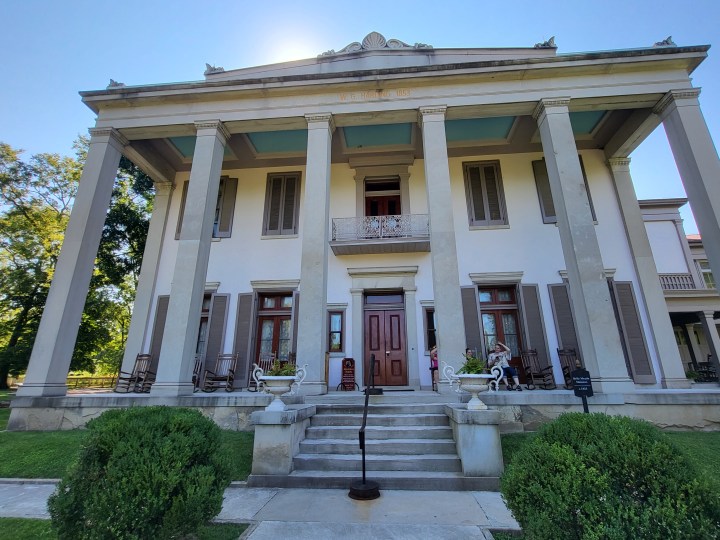
At first glance, Belle Meade looks like a picture-perfect Southern estate with its sweeping lawn, tall columns, and welcoming front porch. But beyond the beauty of the mansion is a much deeper story—one that reflects both the successes and struggles of Tennessee’s past.
Belle Meade Historic Site
- The Story of Belle Meade Begins
- Belle Meade & the Rise of Thoroughbred Racing
- The People Behind Belle Meade
- Belle Meade During the Civil War
- Touring the Belle Meade Mansion
- The End of Belle Meade’s Golden Era
- Preserving Belle Meade Today
- Ending the Visit at Belle Meade Winery
- Why Visit Belle Meade Historic Site?
- Planning Your Visit to Belle Meade Historic Site
- FAQ: Belle Meade Historic Site
At A Glance: Belle Meade Historic Site
- Location: Nashville, Tennessee
- What It Is: historic estate, mansion tour, horse racing history, and cultural site
- Best For: history lovers, architecture enthusiasts, Nashville visitors, and families
- Time Needed: 1.5-3 hours depending on tours and exploring the grounds


The Story of Belle Meade Begins
The story of Belle Meade began in 1807 when John Harding purchased the land that would eventually become one of Tennessee’s most famous estates. The name Belle Meade means “beautiful meadow,” a fitting description for the rolling landscape that surrounded the property.
Over the next century, Belle Meade would become home to five generations of the Harding family. Each generation left its mark on the property, expanding the estate, building new structures, and creating a legacy that would become deeply connected with Tennessee history.
Unlike many plantations throughout the South that were centered around crops such as cotton or sugar, Belle Meade became known for something different: thoroughbred horses.
Beginning in 1816, John Harding began breeding and raising horses on the property. What started as a personal interest eventually became one of the most respected horse breeding operations in the country.

Belle Meade & the Rise of Thoroughbred Racing
By the mid-1800s, Belle Meade had become one of the premier thoroughbred breeding farms in the United States.
One of the most important horses connected to Belle Meade was Bonnie Scotland, a stallion whose descendants would go on to influence generations of racing horses. More than two-thirds of Kentucky Derby winners can trace their bloodlines back to horses connected with Bonnie Scotland.
Later, the Harding family purchased another famous horse, Iroquois. In 1881, Iroquois became the first American-bred horse to win the prestigious Epsom Derby in England. His success brought worldwide attention to Belle Meade and made the estate a destination for people interested in the racing world.
The family celebrated Iroquois as one of their greatest achievements. Visitors came to Belle Meade simply to see the famous horse, and the wealth generated through racing allowed the family to continue expanding the estate.
But while Belle Meade became known for beautiful horses and elegant surroundings, there was another story woven into the history of the estate.

The People Behind Belle Meade
The wealth and success of Belle Meade were built in part through the labor of enslaved people who lived and worked on the property.
At its height, approximately 136 enslaved people worked at Belle Meade. Their responsibilities included caring for the horses, maintaining the property, working in the household, and completing the many tasks required to operate such a large estate.
Today, one of the preserved slave cabins on the property helps share these stories and provides an important reminder that historic estates are not only the stories of the wealthy families who owned them. They are also the stories of the people whose work made those lifestyles possible.
After emancipation following the Civil War, some formerly enslaved workers continued working at Belle Meade. Among them was Bob Green, a skilled horseman who had cared for the estate’s famous horses. He eventually became one of the highest-paid employees at Belle Meade and was buried in the family cemetery.
His story reflects one of the many complicated transitions that occurred throughout the South after slavery ended, as formerly enslaved people navigated a new and uncertain future.

Belle Meade During the Civil War
Like many places in Tennessee, Belle Meade was deeply affected by the Civil War.
Nashville was an important Confederate stronghold, and William Giles Harding, John’s son, was heavily involved in the Confederate cause. He served on the military and finance board of the Confederacy and contributed significant financial support.
When Union forces took control of Nashville, William Harding was imprisoned, and the future of Belle Meade became uncertain. Responsibility for the estate eventually fell to his daughter, Selene Harding, who worked to preserve and expand what remained of the family legacy.
During her time managing Belle Meade, Selene made improvements throughout the property, including adding running water to the mansion and expanding the estate’s operations with a dairy that produced hundreds of pounds of butter each week.

Touring the Belle Meade Mansion
Walking up to the Belle Meade mansion, it is easy to understand why visitors are drawn to this beautiful piece of Tennessee architecture.
The large front porch stretches across the front of the home with tall columns creating the classic Southern estate appearance. Rows of rocking chairs invite visitors to slow down and imagine life here generations ago.
One of the details that immediately caught my attention was the light blue paint underneath the roofline and above the entrances. This traditional color, known as “haint blue,” was once believed to protect homes from unwanted spirits.
Inside the mansion, visitors learn about the generations of the Harding family who lived here. Unfortunately, photography is not allowed inside, but the rooms are filled with stories of the family’s wealth, interests, and influence.
The walls display the importance of horse racing in Belle Meade’s history, and the tour brings the family story to life through furniture, artwork, and personal details.


The End of Belle Meade’s Golden Era
Although the success of Iroquois brought Belle Meade to its greatest level of fame, the family struggled to maintain the estate’s financial success.
After Iroquois unexpectedly died, the family believed the loss was suspicious. However, an autopsy revealed that the horse had died from kidney failure rather than foul play.
At the same time, the family had taken on significant debt while expanding and improving the estate. The loss of their famous horse and the changing economy eventually led to the sale of Belle Meade.
The young heir who inherited the remaining family legacy would go on to serve in military intelligence during World War II and was later recognized by President Eisenhower for his service.
When he died in 1971, he was buried alongside previous generations of the Harding family in the cemetery on the property.

Preserving Belle Meade Today
Today, Belle Meade Historic Site allows visitors to step into Tennessee’s past while exploring the many different stories connected to this property.
The state of Tennessee eventually acquired the estate and transformed it into the historic site visitors can experience today. The goal is not just to preserve the beautiful mansion but to share the many layers of history found here.
Visitors can explore the mansion, historic buildings, grounds, and exhibits that tell the stories of the families, workers, and communities connected to Belle Meade.

Ending the Visit at Belle Meade Winery
After our mansion tour, we finished our visit with a wine tasting at Belle Meade Winery, which was included with our admission ticket.
The tasting offered four different wines produced by the winery. My favorite was the sweet red wine, and it was a fun way to end a morning spent exploring centuries of Tennessee history.


Why Visit Belle Meade Historic Site?
Belle Meade is worth visiting because it offers much more than a beautiful mansion.
It is a place where visitors can explore Tennessee’s horse racing history, admire historic architecture, learn about the realities of enslaved labor, and understand how one estate changed through some of the most important moments in American history.
Like many historic places, Belle Meade is not just one story. It is a collection of stories layered together—the stories of ambition, success, hardship, labor, and preservation.
And that is what makes visiting historic places so meaningful. The buildings may remain, but the true history is found in the people who shaped them.


Planning Your Visit to Belle Meade Historic Site
Belle Meade Historic Site is located just outside downtown Nashville, making it an easy addition to a Nashville itinerary. It is a great option for visitors who want to explore a different side of Music City beyond the music venues and entertainment districts.
The best way to experience Belle Meade is by taking a guided tour of the mansion. The tour brings the history of the Harding family, the estate’s horse racing legacy, and the people who lived and worked here to life.
Beyond the mansion, visitors can explore the grounds, historic buildings, and exhibits throughout the property. Be sure to allow extra time to walk around and take in the architecture and scenery.
A visit typically takes one to three hours depending on how much of the property you explore and whether you add additional experiences such as the winery tasting.
Belle Meade is a meaningful stop for anyone interested in Tennessee history, historic homes, architecture, horse racing, or learning more about the many stories connected to places from the past.
FAQ: Belle Meade Historic Site
- Is Belle Meade Historic Site worth visiting?
Yes. Belle Meade Historic Site offers a fascinating look at Tennessee history through the stories of the Harding family, thoroughbred racing, enslaved labor, and the changing South. It is one of the best historic sites to visit near Nashville.
- How long does it take to visit Belle Meade?
Most visitors should plan one to three hours for their visit. This allows time for the mansion tour, exploring the grounds, and visiting the historic buildings.
- Is Belle Meade a plantation?
Yes. Belle Meade was originally a plantation and relied on the labor of enslaved people who lived and worked on the property. Today, the historic site works to share the many layers of its history, including the stories of those who were enslaved there.
- What is Belle Meade famous for?
Belle Meade is best known for its connection to thoroughbred horse racing. The estate bred and raised famous horses, including Bonnie Scotland and Iroquois, the first American-bred horse to win the Epsom Derby in England.
- Can you tour the inside of the Belle Meade Mansion?
Yes. Visitors can take guided tours through the historic mansion and learn about the generations of the Harding family who lived there. Photography is not allowed inside the home.
- Is Belle Meade family friendly?
Yes. Families can enjoy exploring the grounds, learning about history, and seeing the historic buildings. The horse racing stories and outdoor spaces can be especially engaging for children.

Belle Meade is a beautiful place, but its importance goes far beyond the columns of the mansion or the famous horses that once walked through its stables.
Like so many historic places, this estate holds many stories at once. There is the story of wealth and ambition, the story of Tennessee’s horse racing legacy, the story of the enslaved people whose labor helped build the estate, and the story of how communities choose to remember and preserve the past.
Walking through Belle Meade reminded me that history is rarely just one thing. The most meaningful places are the ones where we can see the different layers—the celebrations and struggles, the achievements and injustices, the people whose names are remembered and those whose stories are still being brought forward.
That is what makes historic sites worth visiting. The buildings may stand still, but the stories continue to change how we understand the past and ourselves.
If you have enjoyed this tour of Belle Meade, here are some other of Nashville’s historic sites:
Thanks for coming along on a tour of the beautiful Belle Meade Plantation. May your rocking chairs be steady and your race horses be healthy.

Coming Up Next:
For More Information:
Read More From:
Follow along for more adventures near and far!


Leave a Reply