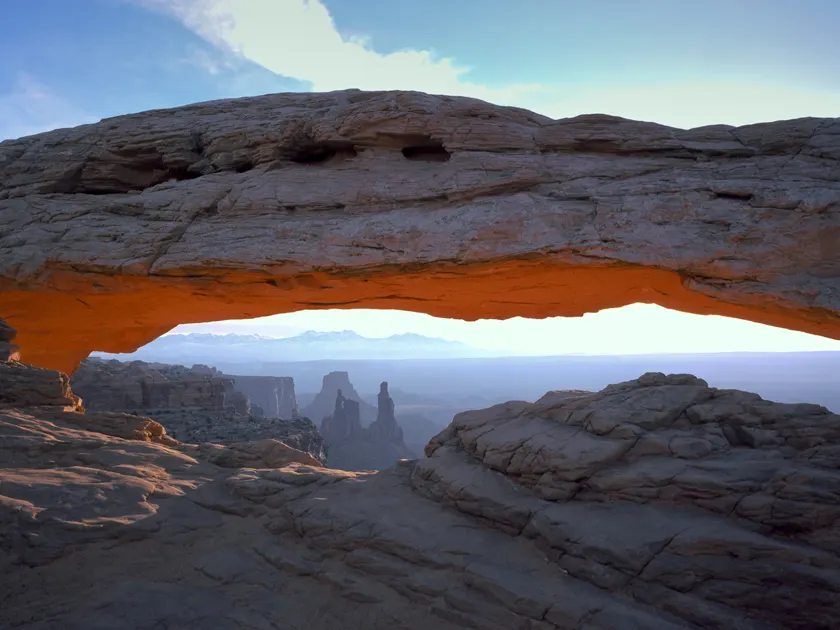
Long before our family began exploring national parks together, many of these landscapes were already part of my story. I grew up in Utah surrounded by towering red rock cliffs, desert canyons, and mountain trails that felt larger than life. Weekend drives and family outings often meant heading toward one of the incredible places preserved by the National Park Service.
Now, years later, it has been special to return to many of these places with my own family. Seeing them again through my daughter’s eyes has given these landscapes a whole new meaning. The places that once shaped my childhood are now becoming part of our family’s travel story as well.
Utah is home to some of the most iconic national parks in the United States, including Zion National Park, Bryce Canyon National Park, and Arches National Park. But beyond these famous parks, the state is also home to historic sites, national monuments, and scenic trails that tell a much broader story of the American West.
In this guide, we’re sharing all of the national park sites in Utah—from the famous parks that draw visitors from around the world to the lesser-known places that are just as fascinating to explore.
- National Park Service Sites in Utah
- Utah’s Famous National Parks: The Mighty Five
- Other National Park Sites in Utah
- Our Family’s Favorite National Park Sites in Utah
- National Park Sites in Utah Still On Our List
- Planning Your Visit to Utah’s National Park Sites
- FAQ About National Park Sites in Utah

National Park Service Sites in Utah
When many people think of national parks, they picture famous places like Zion National Park or Arches National Park. While these are some of the most well-known destinations, they are just one part of a much larger system managed by the National Park Service.
Across the United States, the National Park Service protects hundreds of sites that preserve important natural landscapes, historic places, and cultural stories. These places are organized into different designations depending on what they protect and how they are managed.
National Parks
National Parks are large protected areas set aside to preserve extraordinary natural landscapes and ecosystems. These parks often offer hiking trails, scenic drives, visitor centers, and ranger programs that help visitors explore and learn about the environment. Utah is home to five national parks that are famous for their dramatic desert scenery, towering cliffs, and unique rock formations.
- Zion National Park
- Bryce Canyon National Park
- Arches National Park
- Canyonlands National Park
- Captiol Reef National Park
National Monuments
National Monuments protect important natural, cultural, or historic features. Many monuments were originally designated to preserve a specific landmark, archaeological site, or geological feature. Utah’s national monuments protect places like natural stone bridges, fossil beds, and incredible cave systems.
- Cedar Breaks National Monument
- Natural Bridges National Monument
- Rainbow Bridge National Monument
- Timpanogos Cave National Monument
- Dinosaur National Monument
- Hovenweep National Monument
National Historic Park
National Historic Parks and National Historic Sites preserve places where important events took place or where influential people lived. These sites help tell the stories of the people and events that helped shape the country. In Utah, these sites help preserve important chapters of western expansion and railroad history.
- Golden Spike National Historic Park
National Recreation Area
National Recreation Areas are protected landscapes that focus on outdoor recreation while still preserving natural and cultural resources. These areas often include large lakes, rivers, and scenic landscapes where visitors can enjoy activities like boating, hiking, camping, and fishing. This recreation area offers dramatic desert scenery along with countless opportunities for outdoor adventure on both land and water.
- Glen Canyon National Recreation Area
National Historic & Scenic Trails
National Historic Trails follow historic travel routes that played a major role in the settlement and development of the United States. These trails often stretch across multiple states and commemorate the journeys of explorers, settlers, traders, and emigrants. Several historic trails pass through Utah, marking the paths taken by pioneers and travelers heading west.
- California National Historic Trail
- Mormon Pioneer National Historic Trail
- Old Spanish National Historic Trail
- Pony Express National Historic Trail

Utah’s Famous National Parks: The Mighty Five
When people think about national parks in Utah, they are usually thinking of the five spectacular parks that have become known as the Mighty Five. These parks showcase some of the most dramatic landscapes in the American Southwest, where towering sandstone cliffs, winding canyons, and otherworldly rock formations create scenery unlike anywhere else in the country.
Each park has its own personality. Some are defined by massive canyon walls and winding rivers, while others are filled with delicate stone arches, colorful hoodoos, and sweeping desert vistas. Together, these five parks form one of the most iconic national park regions in the United States and draw visitors from around the world.
While these parks may share the same desert landscape, each one offers a completely different experience for visitors exploring Utah’s incredible public lands.
Zion National Park
Located in southwestern Utah, Zion National Park is known for its towering sandstone cliffs, narrow slot canyons, and the winding Virgin River that carved its way through the landscape. Visitors come from around the world to hike famous trails like Angels Landing and The Narrows, where towering canyon walls rise dramatically on both sides. Zion was Utah’s first national park and remains one of the most visited parks in the country.
Bryce Canyon National Park
Bryce Canyon National Park is famous for its incredible collection of hoodoos—tall, thin spires of rock that glow in shades of red, orange, and pink. Despite its name, Bryce Canyon is not actually a canyon but a series of natural amphitheaters carved into the edge of the Paunsaugunt Plateau. The park’s scenic viewpoints and hiking trails allow visitors to explore this unique landscape up close.
Arches National Park
Arches National Park protects more than 2,000 natural sandstone arches, making it home to the largest concentration of natural stone arches in the world. Located near the town of Moab, the park is filled with striking rock formations, balanced rocks, and wide-open desert scenery. One of the most famous landmarks in the park is Delicate Arch, which has become an iconic symbol of Utah.
Canyonlands National park
Canyonlands National Park preserves a vast landscape of deep canyons, mesas, and buttes carved by the Colorado and Green Rivers. The park is divided into several districts, each offering a different perspective on the rugged desert terrain. From the sweeping overlooks of Island in the Sky to the remote backcountry of The Needles, Canyonlands offers some of the most expansive views in the Southwest.
Capitol Reef National Park
Capitol Reef National Park is often considered the quietest of Utah’s five national parks, but it is filled with fascinating geology and history. The park protects a massive geologic feature known as the Waterpocket Fold, a nearly 100-mile wrinkle in the earth’s crust. Visitors can explore colorful cliffs, hidden canyons, and historic orchards planted by early Mormon settlers in the Fruita district.

Other National Park Sites in Utah
While the Mighty Five showcase the iconic red rock landscapes that Utah is famous for, the state has many more National Park Service sites worth exploring. From dramatic rock formations and hidden canyons to historic landmarks and archaeological treasures, these sites offer a chance to see a different side of Utah—sometimes quieter, sometimes surprising, but always full of stories and natural beauty.
Whether you’re drawn to ancient ruins, colorful cliffs, or the vast waters of Lake Powell, these additional sites highlight the incredible variety of landscapes and history protected across the state.
Cedar Breaks National Monument
Cedar Breaks is a high-altitude amphitheater filled with colorful rock formations similar to Bryce Canyon, but with a much quieter, off-the-beaten-path feel. The rim offers breathtaking views of jagged spires and cliffs, and the park is full of wildflowers in the summer. Hiking and stargazing here are particularly spectacular due to the dark night skies.
Natural Bridge National Monument
Natural Bridges preserves three massive sandstone bridges that were carved over thousands of years by water erosion. Visitors can explore scenic viewpoints, hike trails to the bridges, and even drive the 9-mile loop that connects all three. This park is a peaceful place to appreciate the quiet power of natural forces shaping the desert.
Rainbow Bridge National Monument
Rainbow Bridge is one of the world’s largest natural bridges, spanning over 275 feet. Accessible by boat across Lake Powell or by hiking trails, it’s both a spiritual and natural wonder, revered by Native American tribes. Visiting Rainbow Bridge feels like a unique adventure where water, sky, and stone come together in one breathtaking formation.
Timpanogos Cave National Monument
Timpanogos Cave offers a completely different kind of experience—exploring a network of limestone caves filled with stunning stalactites, stalagmites, and flowstone formations. Guided tours take visitors along a steep trail to the cave entrance and then through the illuminated caverns, making it both an active hike and a fascinating underground adventure.
Dinosaur National Monument
Dinosaur National Monument protects fossil beds containing some of the most complete dinosaur skeletons ever discovered. Visitors can see fossils still embedded in rock at the Quarry Exhibit Hall, hike through canyons, and explore the confluence of the Green and Yampa Rivers. This site combines natural history with outdoor adventure in a way that excites both kids and adults.
Hovenweep National Monument
Hovenweep protects a collection of remarkable ancestral Puebloan stone towers and structures that date back more than 700 years. These carefully constructed buildings sit along canyon rims, offering a fascinating glimpse into the ingenuity of the people who once lived in this desert landscape. Visitors can hike short trails between the ruins and enjoy sweeping views of the surrounding high desert.
Golden Spike National Historic Park
Golden Spike commemorates the completion of the first transcontinental railroad in the United States. Visitors can see historic locomotives, watch reenactments, and learn how the railroad connected the country in the 19th century. It’s a fascinating look at industrial history and the engineering feats that shaped the American West.
Glen Canyon National Recreation Area
Glen Canyon surrounds the vast waters of Lake Powell, offering opportunities for boating, fishing, hiking, and camping amid dramatic desert scenery. While its primary focus is recreation, it also preserves important natural and cultural resources, making it one of Utah’s most popular and versatile National Park Service areas.

Our Family’s Favorite National Park Sites in Utah
With so many incredible places protected by the National Park Service across Utah, it’s hard to choose favorites. Each park and monument offers something unique, and many of them hold special memories for our family.
Some of my earliest memories of these places go all the way back to childhood. Our neighbor growing up was a paleontologist who had worked on excavations at Dinosaur National Monument. His upstairs was filled with bones and fossil fragments from his digs, and as kids we were completely fascinated by the idea that dinosaurs had once roamed the same landscapes we explored. Visiting Dinosaur National Monument later in life made those childhood memories feel even more real.
Another place that brings back memories is Timpanogos Cave National Monument. Because it was so close to where we lived, hiking the steep trail up to the cave entrance became a regular summer adventure. The climb was always a challenge, but reaching the cool caverns filled with shimmering rock formations made it worth every step.
One site that often surprises visitors is Golden Spike National Historical Park. Tucked away in northern Utah, it feels a bit off the beaten path, but it tells one of the most important stories in American history—the moment when the first transcontinental railroad was completed. I’ve always loved seeing the historic photos of the two locomotives meeting nose to nose as the golden spike was driven.
As a family, we’ve also had the chance to visit all five of Utah’s national parks together. Each one offers a completely different experience, but two that really stood out for us were Arches National Park and Capitol Reef National Park. Arches is filled with some of the most iconic rock formations in the country, while Capitol Reef feels quieter and more hidden, with colorful cliffs, orchards, and scenic drives that make it easy to slow down and explore.
Sharing these places with my own family has made them even more meaningful. The landscapes that shaped my childhood are now becoming part of our family’s travel story as well.

National Park Sites in Utah Still On Our List
Even though I grew up in Utah and our family has been lucky enough to visit all five of Utah’s national parks, there are still several National Park Service sites that we would love to explore together.
Many of the places still on our list are Utah’s national monuments. While the Mighty Five often get most of the attention, these monuments protect some equally incredible landscapes and unique geological features. They also tend to be a little quieter and more off the beaten path, which makes them especially appealing for slower travel and exploring with kids.
One place we would love to visit together is Natural Bridges National Monument, home to three massive stone bridges carved by centuries of erosion. The scenic drive and hiking trails that lead to each bridge look like an incredible way to experience the desert landscape up close.
Another spot on our list is Cedar Breaks National Monument. Sitting high in the mountains of southern Utah, Cedar Breaks features a stunning amphitheater of colorful rock formations that resemble those found in nearby Bryce Canyon, but with far fewer crowds.
We would also love to make the journey to Rainbow Bridge National Monument someday. This massive natural bridge is one of the largest in the world and holds deep cultural significance for several Native American tribes. Reaching it by boat across Lake Powell would make the visit feel like an adventure all its own.
One of the things I love about Utah is that no matter how many times you visit, there always seems to be another canyon, monument, or hidden landscape waiting to be explored. These parks and monuments are definitely at the top of our list for future trips.

Planning Your Visit to Utah’s National Park Sites
Visiting the national park sites across Utah can feel like stepping into another world of towering cliffs, deep canyons, and wide desert landscapes. Because many of these parks and monuments are spread across large distances, a little planning ahead can help make your trip smoother and more enjoyable.
Plan for Distance Between Parks
One of the biggest surprises for visitors is how far apart some of Utah’s parks are. While the five parks known as the Mighty Five—Zion National Park, Bryce Canyon National Park, Arches National Park, Canyonlands National Park, and Capitol Reef National Park—can be visited on a larger road trip through the state, each park is several hours apart. Planning a route ahead of time helps ensure you have enough time to truly enjoy each stop rather than rushing through.
Consider the Season
Utah’s landscapes change dramatically with the seasons. Summer brings hot desert temperatures, especially in parks like Arches and Canyonlands, while winter can bring snow and colder conditions in higher elevations such as Bryce Canyon. Spring and fall are often the most comfortable seasons for exploring many of Utah’s national park sites.
Start Early in the Day
Many of Utah’s parks have become incredibly popular in recent years, particularly Zion National Park and Arches National Park. Arriving early in the morning not only helps you avoid crowds, but also gives you the chance to see the soft morning light illuminating the red rock landscapes.
Bring Plenty of Water
The dry desert climate can be deceiving, especially for visitors who are not used to it. Whether you are hiking a trail or simply exploring scenic viewpoints, it’s important to carry plenty of water and protect yourself from the sun.
Take Time to Explore the Lesser-Known Sites
While Utah’s five national parks often get most of the attention, some of the state’s national monuments and historic sites offer equally fascinating experiences. Places like Natural Bridges National Monument, Cedar Breaks National Monument, and Golden Spike National Historical Park can provide quieter opportunities to learn about the natural and historical stories of the region.

FAQ About National Park Sites in Utah
- How many National Park sites are in Utah?
There are 13 national park sites in Utah. These include five national parks, several national monuments, a national historic park, and a national recreation area. Utah also has portions of four national historic trails that go through the state. Together they protect some of the dramatic landscapes and important historic stories in the American west.
- What are the Mighty Five national parks?
Utah’s five national parks are commonly referred to as the Mighty Five. These parks include Zion National Park, Bryce Canyon National Park, Arches National Park, Canyonlands National Park, and Capitol Reef National Park. Each park offers a unique landscape ranging from towering sandstone cliffs to intricate rock formations and vast canyon systems.
- What is the most visited national park in Utah?
Zion National Park is the most visited national park in Utah and consistently ranks among the most visited parks in the United States. Its dramatic canyon walls, scenic drives, and famous hiking trails draw millions of visitors every year.
- Are Utah’s national parks close to each other?
While the parks are often grouped together on road trips, they are still several hours apart. Many travelers explore the parks on a multi-day or week-long road trip through southern Utah, allowing time to experience each park’s unique scenery.
- Do you need reservations for Utah’s national parks?
Some parks occasionally require reservations or timed entry during busy seasons. It’s always a good idea to check current requirements and updates on the official website of the National Park Service before visiting.

Growing up in Utah meant being surrounded by landscapes that many people travel across the world to see. From hiking up to the caves at Timpanogos Cave National Monument as a kid to exploring the towering arches and canyons of Utah’s national parks with my own family, these places have been a constant thread throughout my life.
Each park and monument tells a different story. Some highlight the powerful natural forces that shaped the desert landscape, while others preserve moments of history that helped shape the country. Whether you’re standing beneath a massive stone arch, gazing out across a canyon overlook, or walking through a historic site, these places have a way of making you pause and take it all in.
While we’ve been lucky enough to explore many of Utah’s national park sites already, there are still a few monuments and hidden corners of the state that we hope to visit someday. That’s part of the magic of Utah—there always seems to be another canyon, trail, or view waiting just around the corner.
This is part of the series National Park Sites by State. Interested in exploring more of Utah’s national park sites? Then you may be interested in these:
Thanks for coming along on this guide to the national park sites in Utah.

Coming Up Next:
For More Information:
Read More From:
Follow along for more adventures near and far!


Leave a Reply